
Agricultural Intelligence Platform
One Clear View Across Every Farm You Work With
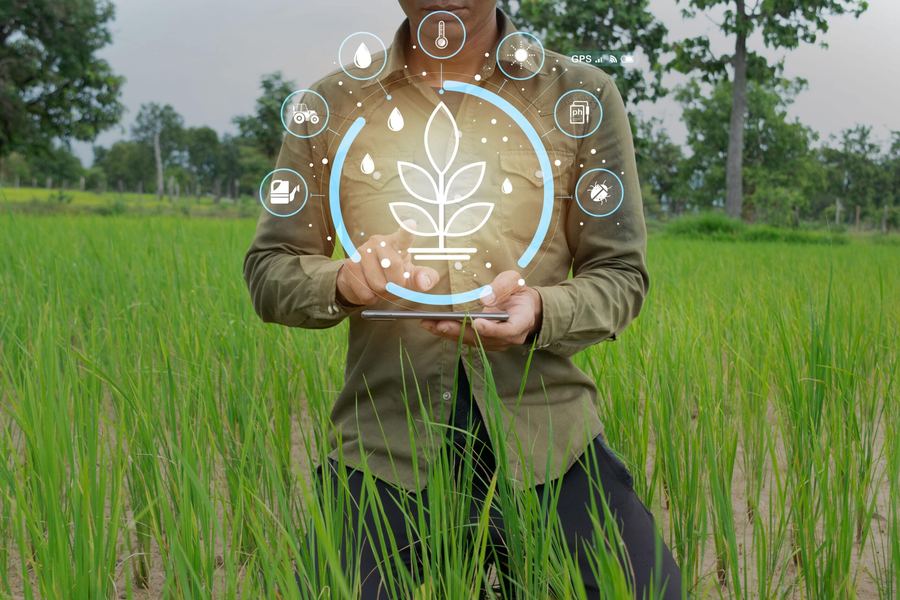
FarmiNext brings together satellite, weather, field and market data into a single agricultural intelligence layer giving institutions the visibility they need to plan, monitor and act with confidence.
SOLUTION OVERVIEW
What does it do?
FarmiNext aggregates satellite imagery, weather data, field-level monitoring and market information into a single agricultural intelligence layer, translating raw, fragmented data sources into structured, decision-ready insights.
Why does it exist?
Institutions working across agriculture often operate with outdated, incomplete or siloed information — making it difficult to plan programmes, manage risk or respond to changing conditions in real time. Consolidating multiple data sources into one intelligence layer closes that visibility gap.
Who is it built for?
Banks, insurers, governments, agribusinesses, NGOs and research organizations that need reliable, up-to-date agricultural intelligence to support planning, monitoring and decision-making at scale.
Agricultural Intelligence, Built for Institutions
We turns multiple, fragmented data sources into one dependable intelligence layer that institutions can build on.
Satellite & Remote Sensing Data
Field and land-level insights derived from satellite imagery, supporting monitoring at scale without physical site visits.
Weather & Climate Intelligence
Localized weather data and forecasts that inform planning, risk assessment and advisory services.
Field & Ground-Truth Data
Direct field-level information that validates and enriches remote data sources for greater accuracy.
Predictive Analytics
Models that translate historical and current data into forward-looking risk and opportunity signals.
API & System Integration
Structured data delivery into institutional systems, supporting use across finance, insurance, research and programme applications.
From Raw Data to Institutional Insight
A consistent process that turns multiple data sources into intelligence institutions can rely on.
-
01
Bring Data Together
Collect satellite, weather, field and market data relevant to the institution's area of operation.
-
02
Apply Agricultural Models
Process and analyze the data using agricultural and predictive-analytics models.
-
03
Provide Structured Insights
Make the resulting intelligence available through dashboards, reports or direct system integration.
-
04
Inform Institutional Decisions
Use the insights to support planning, risk management, lending, insurance and programme decisions.
Talk to us about intelligence at scale.
Ministries, funders, agribusinesses and lenders — we will show what a verified farm-level dataset changes about what you can measure.